

What Happens if Someone Else Drives My Car and Gets into an Accident in Minnesota?
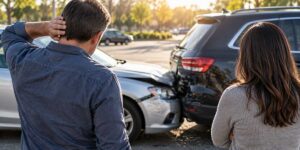
Lending your car to a friend, your adult kid, or a coworker who needs a ride for the day feels like a small favor right up until it turns into a wreck. The moment someone else gets behind the wheel and causes a crash, the legal and financial fallout usually falls on you as the owner, not just the driver. That catches a lot of people off guard, especially if they assumed their own insurance wouldn’t be touched since they weren’t the one behind the wheel. Minnesota law treats vehicle ownership differently than most people expect, and knowing how liability and coverage actually work can save you from an unpleasant surprise with your premiums or a denied claim. If you’re dealing with a crash like this right now, talking with a Minnesota car accident lawyer can help you sort out who pays for what before your insurer settles the question on its own terms.
The good news is that Minnesota’s no-fault system still kicks in no matter who was driving. Your PIP coverage pays medical bills for you, your driver, and your passengers up to your policy limits, regardless of who caused the wreck, which takes some pressure off sorting out fault right away. The harder questions tend to show up later, once medical bills or vehicle damage push past what PIP covers. If another driver caused the crash and turns out to be uninsured, your policy’s uninsured motorist protection may end up carrying the claim instead, and suing an uninsured driver directly often isn’t worth the effort if they don’t have assets worth collecting from anyway.
Why You’re Usually the One on the Hook Financially
Minnesota law makes vehicle owners responsible for crashes caused by people driving with their permission, whether that permission was spelled out directly or just understood between the two of you. Under Minnesota Statutes section 169.09, subdivision 5a, anyone operating your car with your consent is treated as your agent for purposes of the accident, meaning the law essentially steps into your shoes and holds you accountable the same way it would if you’d been driving. This rule exists so that injured people aren’t left chasing down a driver who may have no insurance or assets of their own, while the vehicle itself stays insured under your policy.
Consent doesn’t have to be a formal conversation either. If you routinely let your spouse, your roommate, or your teenager drive your car, courts generally treat that as implied permission even without you saying yes every single time. That matters because it determines whose insurance responds first and whether your own coverage gets pulled into a lawsuit if someone is seriously hurt.
How Insurance Actually Responds to the Claim
Once a crash happens, your policy usually becomes the primary source of coverage because the car itself is what’s insured, not just the specific person driving it at the time. PIP pays the first layer of medical costs automatically. Beyond that, your liability coverage responds to property damage and injury claims brought by anyone hurt in the crash, including passengers in your car or people in the other vehicle. If the damages exceed your policy limits, the driver’s own insurance, if they carry any, may be asked to cover the difference, but that’s often a smaller policy or none at all, which leaves a real gap for everyone involved.
It’s also worth understanding what happens once the claim is paid out. An at-fault crash typically shows up on your driving record and your policy as a loss, even though you weren’t driving, and insurers factor that into your renewal rate. Some carriers are more forgiving about this than others, so it’s worth asking your agent directly how a permitted driver’s accident affects your specific policy rather than assuming the worst.
What Changes If the Driver Didn’t Have Your Permission
The calculus shifts if someone took your car without asking, like a family member who grabbed your keys against your wishes or someone who simply isn’t allowed to drive it under your policy. In that situation, you may be able to show there was no express or implied consent, which can shield you from being treated as the responsible party under Minnesota’s agency rule. Your insurer might still investigate closely before agreeing, since proving a lack of consent after the fact isn’t always straightforward, especially if the person has used your car before.
Named driver exclusions complicate things further. Some Minnesota policies let you formally exclude a specific person, often someone with a rough driving record, from coverage altogether. If that excluded person crashes your car anyway, your insurer can deny the claim entirely, leaving both you and the driver exposed. If you know someone in your household shouldn’t be driving your vehicle, it’s worth confirming with your agent whether an exclusion is already in place or needs to be added.
When Someone Else Is at Fault for Hitting Your Borrowed-Out Car
Not every version of this situation involves your driver causing the wreck. Sometimes someone else hits your car while a friend or relative is behind the wheel through no fault of their own. PIP still responds the same way regardless of fault, covering medical costs for your driver and any passengers. For the vehicle damage and anything beyond PIP’s limits, the claim generally moves to the at-fault driver’s liability insurance. If that driver lacks adequate coverage, your policy’s uninsured or underinsured motorist benefits step in to fill the gap, which is exactly what those coverages are for.
What to Do in the Hours and Days After the Crash
Start by making sure everyone involved gets checked out, even if injuries seem minor at first, since some symptoms take a day or two to show up. Get the full story from whoever was driving your car, including where and how the crash happened and whether police responded, and write it down while the details are still fresh. Reporting the accident to your insurer quickly matters too, since delays can sometimes complicate a claim even when you did nothing wrong. From there, keep copies of every document connected to the crash, from the police report to repair estimates, because those records tend to matter more the longer a claim drags on. If the crash caused significant injuries or the insurance picture looks complicated, bringing in an attorney early can keep a straightforward situation from turning into a drawn-out dispute.
Frequently Asked Questions About Someone Else Crashing Your Car
Am I responsible if my friend crashes my car with my permission?
Generally, yes. Minnesota treats a permitted driver as your agent for accident purposes, which means your insurance is typically the first line of coverage and you can be held financially responsible along with the driver.
Will my insurance rates go up if someone else crashes my car?
A loss like this can affect your renewal rate, even if you weren’t driving, because the claim is tied to your policy and vehicle. How much it affects you depends on your insurer and the claim amount, so it’s worth asking your agent directly.
What if the person driving my car wasn’t allowed to use it?
If you can show the driver didn’t have your express or implied permission, you may avoid being treated as responsible under Minnesota’s agency rule. Named driver exclusions on your policy can also affect whether your insurer covers the claim at all.
Does it matter if my car was hit by someone else while a friend was driving it?
Yes. If your driver wasn’t at fault, the claim typically moves toward the other driver’s insurance, with your own PIP and uninsured or underinsured motorist coverage filling in gaps as needed.
How long do I have to take action after a crash like this in Minnesota?
Most personal injury claims connected to a car accident must be filed within six years, though PIP claims have their own, much shorter reporting deadlines, so it helps to loop in your insurer and, if needed, a statute of limitations conversation with an attorney sooner rather than later.
Crashes involving a borrowed car tend to come with more moving parts than people expect, from figuring out whose policy responds first to untangling what happens when the damages run past your limits. Our team at Milavetz Injury Law, P.A. has guided plenty of Minnesota drivers through exactly this kind of claim, and we’re glad to walk through your situation and explain what your options actually look like. Call us at 763-560-0000 or reach out online for a free case evaluation.